Domains · September 7, 2026 · 4 min read
What's a Generic Top-Level Domain (gTLD)?
Understand what gTLDs are, why they matter for your business, and how they fit into your online presence.
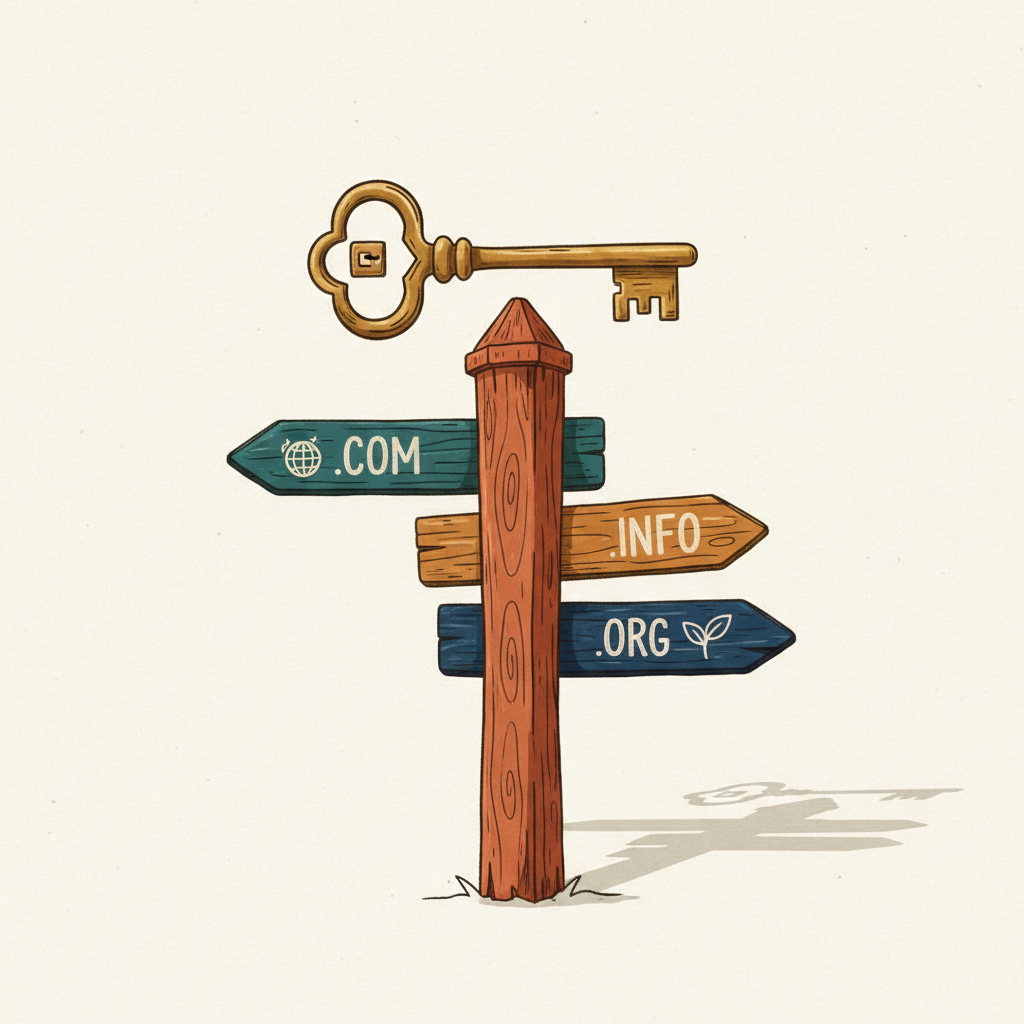
When you choose a domain name for your business, you see a few parts. There's the unique name you pick, like "yourbusinessname." Then there's the ending part, like ".com" or ".net." This ending part is called a Top-Level Domain (TLD).
A Generic Top-Level Domain, or gTLD, is a type of TLD that isn't tied to a specific country. These are the most common and widely recognized domain endings you see online.
What is a gTLD?
Think of a domain name like a physical address. Your street name and house number are unique to your property. The city and state are broader categories. In the online world, your chosen name (like yourbusinessname) is like your house number. The gTLD (like .com) is like the city or state.
gTLDs are "generic" because they are not restricted to a specific country or region. Anyone can register most gTLDs, regardless of where they live or where their business is located. This makes them very popular for businesses that want a broad, international reach.
The organization that manages all domain names, including gTLDs, is called ICANN (Internet Corporation for Assigned Names and Numbers). They set the rules for how domain names are created and managed.
Common gTLDs and Their Uses
You've likely seen many gTLDs in action. The original and most popular ones have been around for decades. Newer ones have also emerged, offering more choices.
Here are some of the most common gTLDs:
.com(commercial): This is by far the most popular and recognized gTLD. It was originally for commercial entities but is now used by all types of businesses, organizations, and individuals. It's often the first choice for a business because of its familiarity and credibility..org(organization): Typically used by non-profit organizations, charities, and other non-commercial groups. While anyone can register an.orgdomain, it carries an expectation of being a non-profit or community-focused entity..net(network): Originally intended for network-related businesses, like internet service providers. Today, it's often used as an alternative to.comif the preferred.comis unavailable, or by tech-oriented businesses..biz(business): Specifically created for businesses. It's a clear indicator that the website belongs to a commercial enterprise..info(information): Often used by informational websites, educational resources, or businesses that primarily share knowledge..name(personal): Intended for individuals who want a personal website or email address.
Beyond these traditional options, many new gTLDs have been introduced, such as .store, .online, .tech, .app, .shop, and many others. These "new gTLDs" allow businesses to choose an ending that is more specific to their industry or purpose. For example, a flower shop might choose yourbusinessname.florist.
Why Your gTLD Choice Matters
The gTLD you choose is part of your brand identity. It affects how people perceive your business online.
- Credibility: A
.comdomain often instills immediate trust and professionalism because it's so widely used and recognized. If your first choice.comisn't available, other gTLDs can still be professional, but some might require a little more effort to build the same level of instant recognition. - Memorability: Shorter, more common gTLDs are easier for customers to remember and type. If you choose a less common or longer gTLD, make sure it's still easy to recall.
- Relevance: New gTLDs can make your domain name more descriptive. For example,
yourbusiness.photographyclearly tells visitors what your site is about before they even click. This can be a strong branding tool. - Availability: With millions of websites, finding a unique
.comname can be challenging. New gTLDs offer more options, allowing you to secure a shorter, more descriptive domain name that better fits your brand.
While the gTLD itself doesn't directly impact your search engine ranking, choosing a relevant and memorable one can indirectly help. A memorable domain is easier for people to share and link to, which can lead to more traffic and recognition over time.
How gTLDs Compare to Country Code TLDs (ccTLDs)
The other main type of Top-Level Domain is a Country Code Top-Level Domain (ccTLD). These are two-letter domain endings specifically assigned to countries or territories, like .us for the United States, .ca for Canada, or .uk for the United Kingdom.
The main difference is intent and restriction:
- gTLDs are generic and generally open to anyone, regardless of location. They are suitable for businesses with a global or broad audience.
- ccTLDs are country-specific. Some have residency requirements to register, making them ideal for businesses that primarily serve customers within a particular country. Using a ccTLD can signal to customers that your business is local to their region.
Many businesses choose a gTLD like .com for their primary site, even if they operate in a specific country. They might also register a relevant ccTLD if they have a strong focus on a local market.
Takeaways
- A gTLD (Generic Top-Level Domain) is a common, non-country-specific domain ending like
.com,.org, or.net. - These domains are widely available and not restricted by geographic location.
- Your choice of gTLD impacts your brand's credibility, memorability, and relevance.
.comis the most recognized gTLD, but newer options like.storeor.techcan offer more specific branding.- gTLDs differ from ccTLDs (Country Code Top-Level Domains) which are specific to countries.
Understanding gTLDs helps you make an informed decision when setting up your online presence. Your domain name is your online address, and the gTLD is a key part of that identity. When you are ready to choose your domain name, you'll work with a domain registrar. They can help you explore available options and secure the best gTLD for your business.
Get more like this
One short, useful note in your inbox each week, written for people running real businesses.
Up next
Previous · Email
Set Up Email Aliases for Your Business
Learn how email aliases can help you manage incoming messages, present a professional image, and keep your inbox organized.
Next · Domains
Finding a Good Domain Name for Your Business
Discover practical steps to search for and secure a domain name that fits your business, ensuring it is easy to remember and type.