Websites · July 25, 2026 · 5 min read
Planning Your Small Business Website Content
Learn how to decide what information goes on your business website to attract customers and achieve your goals.
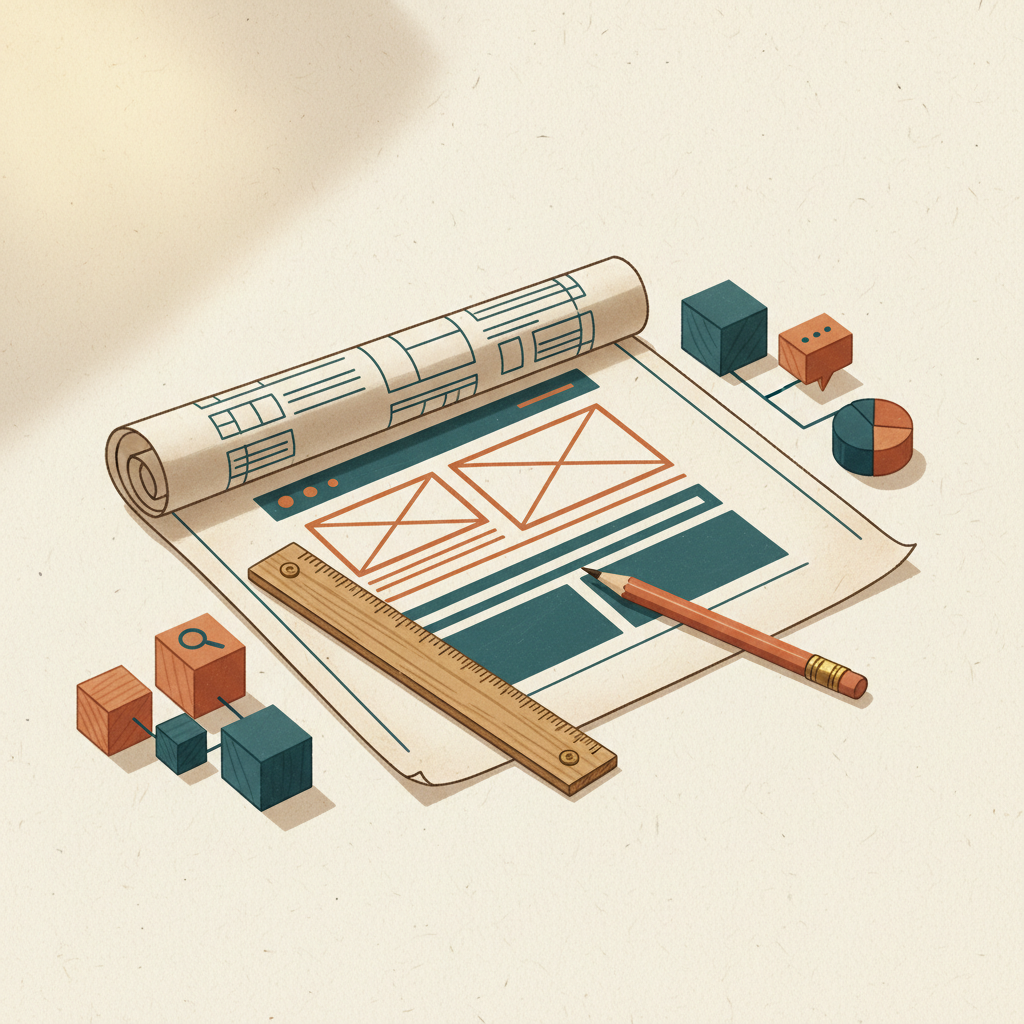
Getting your business online means deciding what to put on your website. This guide helps you choose the right content to attract customers and meet your business goals.
What Your Website Needs to Do
Before you write anything, think about your website's main job. Is it to sell products directly? Generate leads for your service business? Provide information to existing customers? Your content choices will flow from this.
Most small business websites serve a few core purposes:
- Tell people what you do. Clearly explain your products or services.
- Show why you're different. What makes you stand out from competitors?
- Build trust. Provide proof of your expertise and good service.
- Make it easy to contact you. Give clear ways for people to reach out.
Keep these goals in mind as you plan each page.
Essential Pages for Every Small Business Website
Even the simplest website needs a few key pages. These form the backbone of your online presence.
Homepage
This is often the first page visitors see. It needs to grab attention and quickly tell people what your business is about.
- Clear headline: State what you do right away.
- Brief overview: A short paragraph or two explaining your main services or products.
- Key benefits: Why should someone choose you?
- Call to action: What do you want visitors to do next? (e.g., "Shop Now," "Get a Quote," "Learn More")
- Visuals: High-quality images or a short video.
About Us Page
This page tells your story and builds connection. People want to know who they're doing business with.
- Your story: How did your business start? What's your mission?
- Your team: Briefly introduce key people.
- Your values: What's important to your business?
- Why you care: Show your passion for what you do.
Services or Products Page(s)
This is where you detail what you offer. Be specific and clear.
- Descriptions: Explain each service or product thoroughly.
- Benefits: Focus on how your offerings help the customer, not just features.
- Pricing (optional): If appropriate, provide pricing or a clear way to get a quote.
- Photos/Videos: Show your products in use or explain your services visually.
Contact Us Page
Make it easy for people to reach you.
- Phone number: Clearly displayed.
- Email address: A professional email address.
- Physical address: If you have a brick-and-mortar location.
- Hours of operation: For physical locations or customer service.
- Contact form: A simple way for visitors to send a message directly from the site.
- Map: If you have a physical location.
Content to Build Trust and Authority
Beyond the basics, certain types of content help establish your credibility and expertise.
Testimonials or Reviews
Social proof is powerful. Show what happy customers say about your business.
- Customer quotes: Use actual words from satisfied clients.
- Photos: If possible, include headshots of customers with their testimonials.
- Case studies: For service businesses, detailed stories of how you helped a client.
Frequently Asked Questions (FAQ)
An FAQ page answers common questions, saving you time and helping customers find information quickly.
- Address common concerns: What do customers often ask before buying or hiring?
- Provide clear answers: Keep responses concise and helpful.
Blog or Articles (Optional, but Recommended)
A blog can position you as an expert and help people find your website through search engines.
- Share expertise: Write about topics related to your industry.
- Offer tips and advice: Provide value to your audience.
- Announce news: Share updates about your business or industry.
Planning Your Content Strategy
Don't try to put everything on your website at once. Start with the essentials and build from there.
- Outline your pages: List every page you think you'll need.
- Define page purpose: For each page, write down its main goal.
- Brainstorm content: What specific information, text, images, or videos belong on each page?
- Write clear, concise copy: Use simple language. Avoid jargon.
- Use visuals: Images and videos make your site more engaging.
- Include calls to action: Guide visitors on what to do next.
Remember, your website content isn't static. You'll update it as your business grows and changes.
Takeaways
- Clearly define your website's main purpose before writing content.
- Every small business needs a homepage, about page, services/products page, and contact page.
- Use testimonials, FAQs, and a blog to build trust and authority.
- Always include clear calls to action on your pages.
- Plan your content by outlining pages and their specific goals.
Once you have a clear plan for your website's content, the next step is to get your domain and set up your professional email. A good starting point is to check for domain availability and registrar services.
Get more like this
One short, useful note in your inbox each week, written for people running real businesses.
Up next
Previous · Websites
Refresh Your Website: Update Old Information
Outdated website content can hurt your business. Learn how to find and update old information to keep your site current and effective.
Next · Email
Craft an Effective Business Email Signature
A professional email signature builds trust and provides key contact information, making it easy for recipients to connect with your business.