Websites · July 15, 2026 · 5 min read
Which Website Pages Do Small Businesses Really Need?
Learn the core pages every business website should have to inform customers and build trust, without making it overly complex.
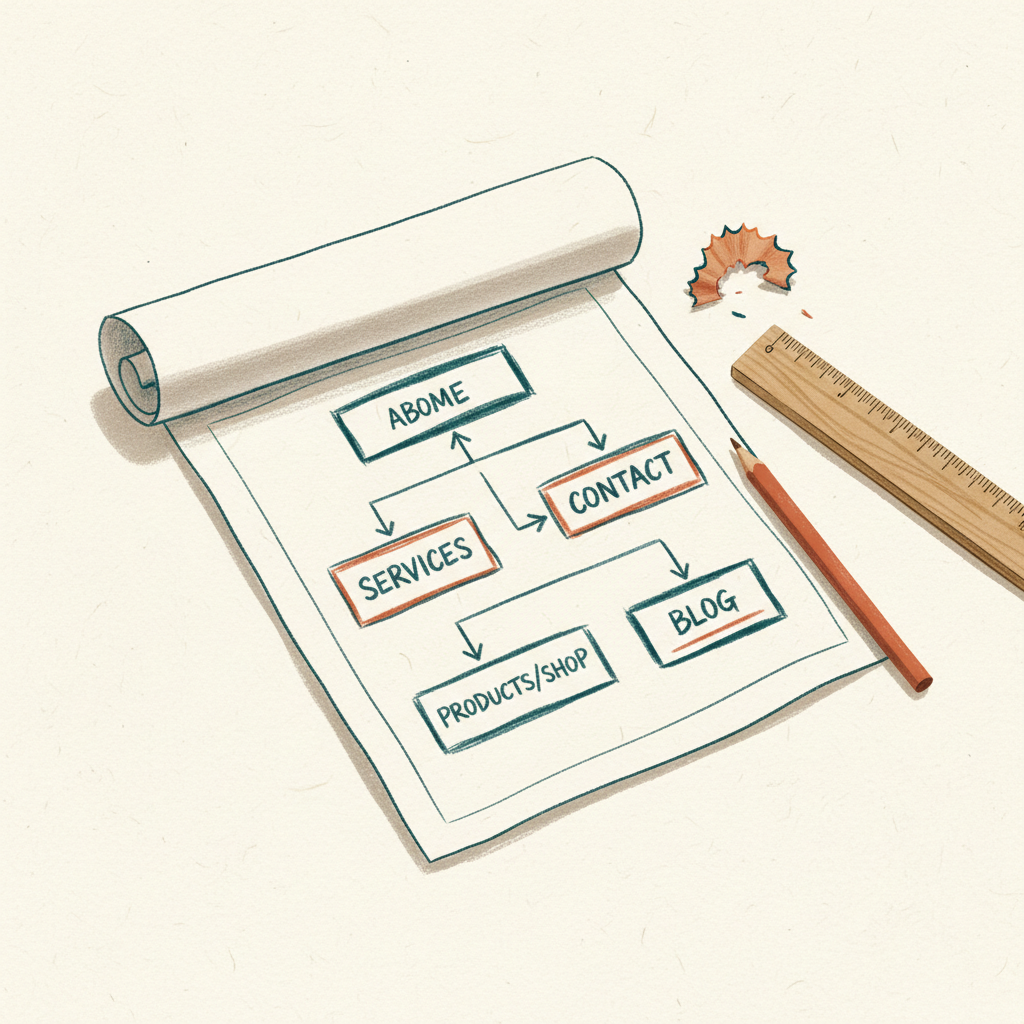
Your business needs an online home, but you might wonder which pages are truly necessary. Building a website doesn't have to be complicated. Focus on the core pages that inform your customers and build their trust.
The Absolute Essentials: Homepage and Contact
Every business website needs at least these two pages. They are the foundation for any online presence.
Homepage
Think of your homepage as your digital storefront. It's often the first thing people see when they look for your business online. Its main job is to tell visitors immediately what you do and who you serve.
Your homepage should include:
- Your business name and logo.
- A clear statement of your main service or product.
- A brief explanation of the problem you solve for customers.
- A call to action, like "Learn More" or "Get a Quote."
- Some visual elements, like photos of your work, products, or team.
Keep the content concise. Most visitors will scan this page quickly. Make it easy for them to understand your value.
Contact Page
This page is crucial for letting people reach you. Don't make customers hunt for your contact details. A dedicated contact page shows you're accessible and professional.
Your contact page should clearly list:
- Your business phone number.
- Your business email address.
- Your physical address if you have a brick-and-mortar location.
- Your business hours.
- A simple contact form for inquiries is also helpful. This lets people send a message directly from your site.
Building Trust: About Us and Services/Products
Once visitors understand what you offer and how to reach you, they'll want to know more about your business and your specific offerings.
About Us Page
The "About Us" page is where you tell your story. It helps build a connection with potential customers. People prefer to do business with people they know and trust.
On this page, you can share:
- The history of your business.
- Your mission or values.
- Your unique selling proposition – what makes you different.
- Information about key team members, especially if your business is service-oriented.
- Any relevant credentials or certifications.
Keep it authentic and personal. This isn't just a resume; it's a chance to show your business's personality.
Services or Products Page
This page details what you sell. Be clear and specific about your offerings. If you have many products or services, you might need separate pages for each or categories to organize them.
For services, describe:
- What each service entails.
- The benefits to the customer.
- How your process works.
- Pricing information, if applicable, or how to get a quote.
For products, include:
- High-quality photos.
- Detailed descriptions.
- Features and benefits.
- Pricing.
- How to purchase or order.
Make it easy for customers to understand what they'll get and how it will help them.
Legal and Practical: Privacy Policy and Blog/News (Optional)
These pages add legitimacy and can help with ongoing customer engagement.
Privacy Policy Page
A privacy policy is a legal document that explains how your website collects, uses, and protects visitor data. If you collect any personal information (like names or email addresses through a contact form), this page is legally required in many places. Even if it's not strictly required, it builds trust by showing you respect user privacy. You can find simple templates online to help create this page.
Blog or News Page (Optional)
A blog isn't essential for every small business, but it can be very valuable. It allows you to:
- Share industry insights.
- Announce company news.
- Offer helpful tips related to your business.
- Improve your visibility in search engines over time.
Regularly updated content shows that your business is active and knowledgeable. If you decide to have a blog, commit to updating it consistently.
Takeaways
- Start with a clear Homepage and easy-to-find Contact information.
- Build trust with an About Us page and detailed Services/Products pages.
- Include a Privacy Policy to meet legal requirements and show professionalism.
- Consider a blog for ongoing content and to connect with customers.
Building a website for your small business doesn't require dozens of pages. Start with these core pages to inform your customers and build credibility. Once you have a clear idea of your essential pages, the next step is to choose a domain name and get your website online. You can register your domain and explore website building options through a trusted provider.
Get more like this
One short, useful note in your inbox each week, written for people running real businesses.
Up next
Previous · Trust
Your Online Business Presence Checklist
A strong online presence builds trust and attracts customers. Use this checklist to set up your business online with confidence.
Next · Websites
Connect Your Domain to Your Website
Learn the simple steps to link your domain name to your website, making it accessible to customers online.