Websites · May 25, 2026 · 4 min read
Build Website Trust With Simple Signals
New websites need to show visitors they are credible and safe. Learn how small details can make a big difference in earning customer trust.
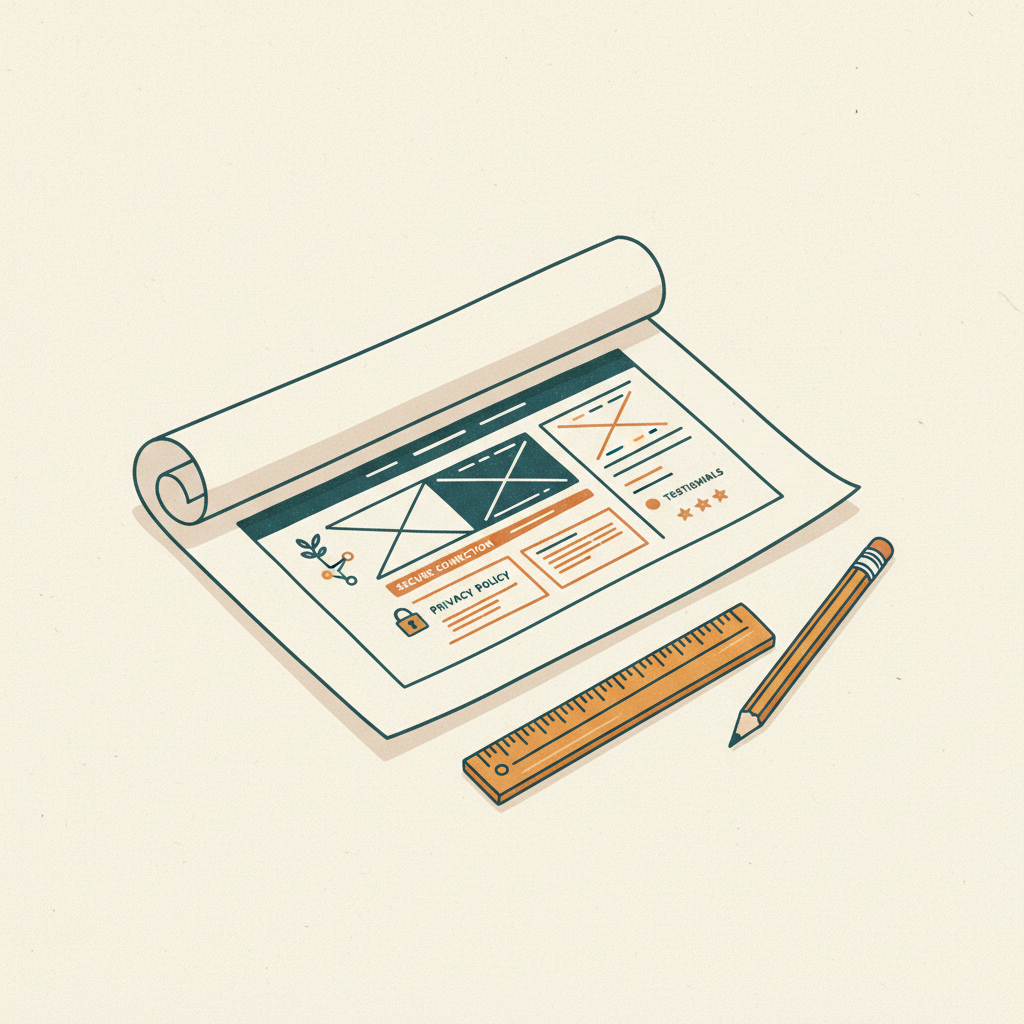
New websites face a challenge: proving they are trustworthy. Visitors are careful online. They look for signs that a business is legitimate and safe. Small details can make a big difference in how your website is perceived.
Secure Your Website Connection
The first and most visible trust signal is a secure connection. Look at the top of your browser. Do you see "https://" and a padlock icon? This means your website's data is encrypted. It protects information exchanged between your visitor and your site.
If your site still shows "http://" or a "Not Secure" warning, you need to fix it. This warning can scare visitors away. Most hosting providers offer free SSL certificates. An SSL certificate is what enables the "https://" connection. Make sure it's installed and active. This simple step builds immediate trust.
Professional Contact Information
Your contact details tell visitors you are a real business. Make them easy to find.
- Dedicated Contact Page: Create a clear "Contact Us" page. Include your business name, physical address (if you have one), phone number, and a professional email address.
- Professional Email: Use an email address that matches your domain name (e.g., info@yourbusiness.com). An email like yourbusiness@genericmail.com looks less professional. You can set up professional email through your domain registrar or a dedicated email service. This shows you are serious about your business.
- Phone Number: If you operate primarily online, a dedicated business phone number (even a virtual one) adds credibility.
- Physical Address: Even if you work from home, a P.O. Box or a virtual office address can add to your professional image. Only share a physical address if it's genuinely where customers can reach you or send mail.
Clear About Us Page
People want to know who they are buying from. An "About Us" page helps build a connection.
- Tell Your Story: Share why you started your business. What problem do you solve? What are your values?
- Introduce Your Team: If you have a team, show their faces. Even a photo of just yourself helps. This humanizes your business.
- Show Expertise: Briefly mention your experience or qualifications relevant to your business.
- Be Authentic: Don't try to be something you're not. Genuineness resonates with visitors.
Social Proof and Reviews
What others say about your business matters. Social proof tells new visitors that others trust you.
- Customer Testimonials: Display short, positive quotes from satisfied customers. Include their name and, if possible, their photo or business.
- Reviews: If you have reviews on other platforms, link to them or embed snippets. Do not invent reviews.
- Social Media Presence: Link to your active social media profiles. An active, professional social media presence shows your business is engaged and current. Make sure your profiles are updated and reflect your brand.
Clear Policies and Terms
Transparency is key to trust. Visitors want to know what to expect.
- Privacy Policy: Clearly state how you collect, use, and protect customer data. This is often legally required.
- Terms of Service/Use: Outline the rules for using your website and services.
- Refund/Return Policy: If you sell products, make your refund and return process clear and easy to understand.
- Shipping Policy: For physical products, explain shipping costs, times, and methods.
Place these policies in your website's footer. Make them easy to find but don't clutter your main navigation.
Takeaways
- Use "https://" to secure your website and show a padlock icon.
- Provide clear, professional contact information, including a domain-matching email.
- Share your business story and team on an "About Us" page.
- Display genuine customer testimonials and links to reviews.
- Publish clear privacy, terms, and refund policies.
Building trust takes effort, but it's essential for a new website. Start with these simple signals. They show visitors you are a legitimate, reliable business. If you're setting up a new website, you'll need a domain name first. You can register your domain and set up professional email through a domain registrar.
Get more like this
One short, useful note in your inbox each week, written for people running real businesses.
Up next
Previous · Domains
Subdomain vs. separate domain: which is right for your business?
Deciding between a subdomain or a separate domain impacts your brand, SEO, and how you manage your online presence. Learn key differences to make the best choice.
Next · Trust
Legal Basics for Your Online Business
Understand the essential legal steps to set up and operate your online business correctly and avoid common pitfalls.